
When is it safe to continue exercising through pain?
Should I keep exercising or am I making the injury worse? Knowing when to continue, modify or stop an activity can be difficult. Pain is an important signal from the body, but it doesn’t always mean that damage is occurring. Mild discomfort can sometimes be an expected part of returning to exercise or recovering from an injury. At other times, pain may indicate that the activity needs to be modified or stopped. Pain does not always equal damage Pain is influenced by many factors including tissue sensitivity, previous injury, fatigue, [...]
Do I need a scan before I see a Physio?
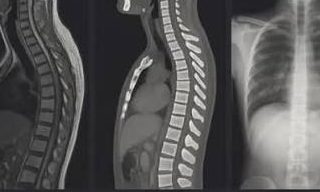
Do I need a scan before I see a Physio? If you have developed pain or sustained an injury, you may assume that you need imaging before seeing a physiotherapist. For many common muscle, joint and tendon problems a scan is not required before physiotherapy can begin. A thorough discussion in combination with a detailed assessment is usually a sufficient starting point to determine an initial management plan. What can a physio assess without a scan? Prior to conducting a physical assessment, your physio will gather details around the nature [...]
Tennis Elbow
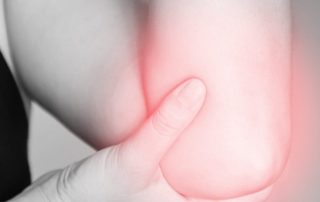
Struggling to lift a coffee cup, open a jar or carry your shopping without pain on the outside of your elbow? You may be dealing with tennis elbow. Tennis elbow or lateral epicondylagia is a common condition affecting the tendons on the outside of the elbow. It often develops gradually following repetitive gripping activities such as gardening, carrying heavy objects, using tools, computer work, gym training or racquet sports. What causes tennis elbow? Tennis elbow involves irritation of the wrist extensor tendons. The tendon becomes overloaded when the demands placed [...]


Osteoarthritis: Why exercise is one of the best available treatments
Receiving a diagnosis of osteoarthritis can be concerning. Many people assume that arthritis means their joints are “wearing out” and that exercise will make things worse. However, research consistently shows the opposite. Exercise is one of the most effective treatments available for osteoarthritis and is recommended as a first line treatment by clinical guidelines worldwide. What is osteoarthritis? Osteoarthritis is a condition that affects the whole joint. The cartilage may become thinner, the underlying bone can remodel and small bony growths may develop. While these changes can be seen on [...]


Managing Bone Density – Why Strength Training Matters
Following a diagnosis of low bone density, it’s common to feel unsure about how much exercise or what type of exercise is safe. Some people cut back their activity or avoid strength training altogether out of concern. However, research shows that the right kind of exercise is not only safe but it’s essential for maintaining and improving bone health. Rather than avoiding load, the key is to apply it in a safe and gradual manner. How Exercise Influences Bone Bone responds to the load placed through it and follows the [...]
Why Bone Health Matters: Understanding Bone Density
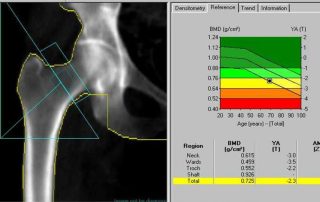
Two in three Australians over the age of 50 have low bone density. A diagnosis of osteopenia or osteoporosis often raises important questions, particularly around whether exercise is safe and how to move confidently and safely during everyday activities. The important thing to know is that bone health isn’t fixed. While it’s normal for bone density to change over time, there are practical steps and modifiable factors you can address to support and maintain strong, healthy bones. Understanding how your bones adapt and respond to movement is a helpful place [...]