Many women in their 40s begin to notice new aches and pains when exercising, even if they’ve stayed active for years. One common complaint is pain on the outside of the hip, often referred to as lateral hip pain. This discomfort may appear during walking, running, climbing stairs, or when lying on your side at night.
For many women, these symptoms begin during perimenopause, when hormonal changes can influence how the body responds to exercise and recovers from training.
Understanding why this happens can help you manage symptoms and stay active.
What Is Perimenopause?
Perimenopause is the transition phase leading up to menopause. It typically begins in the mid-to-late 40s and can last several years.
During this time, hormone levels begin to fluctuate and gradually decline. Estrogen and progesterone drop and cause a number of symptoms. The drop in estrogen levels also has an impact on collagen production and recycling.
Common symptoms include:
- Hot flushes
- Sleep disturbances
- Fatigue
- Changes in weight or metabolism
- Changes in energy levels
Menopause is defined as 12 months without a menstrual period.
How Hormonal Changes Affect Tendons
Tendons are strong connective tissues that attach muscles to bones. They are made largely of collagen fibers. Collagen fibers are neatly arranged in parallel bundles. These bundles are packed together, providing tensile strength.
In a healthy tendon, collagen fibers are organised in strong bundles that can handle significant load and tension.
Exercise helps maintain tendon health through a natural cycle of rejuvenation and repair:
- Exercise creates small amounts of stress (micro-trauma) within the tendon.
- During recovery, the body repairs the tissue, creating new collagen fibers.
- This process of increased helps the tendon become stronger and more resilient.
However, during perimenopause, declining Estrogen levels can affect this repair cycle.
Estrogen plays an important role in collagen production and tendon repair. As levels decrease, tendons may take longer to recover after exercise. If micro-trauma in the tendon is not given ample time to repair, the collagen bundles become more brittle, and weak, susceptible to injury.
Why Lateral Hip Pain Becomes More Common
If women in their 40’s exercise levels remain the same, or the intensity increases the tendons do not have enough time to repair between sessions. While perimenopausal women’s tendon recovery capacity decreases, tendons struggle to keep up with the demands placed on them.
For example, problems may develop when someone:
- Increases running distance or intensity
- Introduces sprint training
- Trains more frequently without adequate rest
- Returns to exercise too quickly after time off
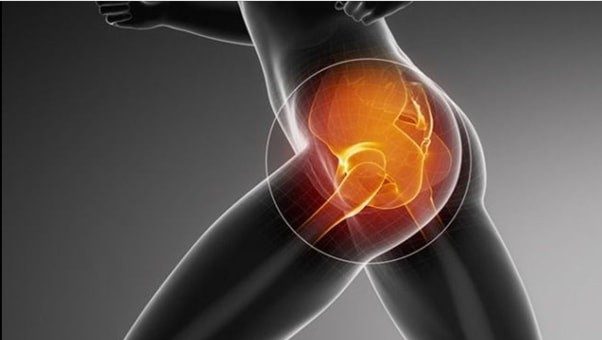
When the tendon cannot repair itself fast enough, micro-trauma can accumulate, potentially leading to tendon irritation or gluteal tendinopathy, a common cause of lateral hip pain.
Exercise Is Still Important
The good news is that exercise remains one of the most important things you can do for your health during perimenopause. Strength training and physical activity support:
- Bone density
- Muscle strength
- Joint health
- Metabolic health
- Mental wellbeing
The key is adjusting how you train, not stopping exercise altogether.
Training Tips for Perimenopause
A few small adjustments can make a big difference in managing tendon health.
Allow More Recovery
- Hard training sessions may require longer recovery periods than before.
Monitor Pain Levels
- Some mild discomfort can be normal when exercising. A helpful guideline is:
- Pain 1–2 out of 10 is acceptable
- Symptoms should settle within 24 hours
- Pain should not gradually worsen over time
- If you feel pain stop and seek help
- If pain persists or increases, it may be a sign to reduce training load temporarily.
Mix Up Your Exercise
- Training variation can help reduce repetitive stress on the same tissues. Options include:
- Walking
- Cycling
- Strength training
- Low-impact cardio
- Upper limb resistance training
Strength Training for Tendon Health
Research suggests that slow, heavy resistance training can be particularly beneficial for tendon health.
This type of training helps stimulate collagen production and improve tendon strength.
Key principles include:
- Heavier weights
- Slower, controlled movements
- Lower repetitions
- Rest and repair
Strength training can be a valuable tool for both preventing and managing tendon pain.
When to See a Physiotherapist
If you are experiencing persistent hip pain during exercise, it can be helpful to seek professional guidance early.
At our clinic, several of our physiotherapists have a special interest in women’s health and the physical changes that occur during midlife. They understand how hormonal changes during perimenopause can influence tendon health, recovery from exercise and injury risk.
A physiotherapy assessment can help:
- Identify the source of your hip pain
- Assess tendon health and muscle strength
- Modify your exercise program safely
- Guide safe progression back to full activity
- Develop a strength program that supports tendon health
If lateral hip pain is affecting your exercise, sleep or daily activities our team can help you get back to moving comfortably and confidently.
The Takeaway
Hormonal changes during perimenopause can influence how tendons respond to exercise and repair themselves. This may increase the risk of lateral hip pain, particularly in active women.
The solution isn’t to stop exercising but to adjust training, so your body has the right balance of load and recovery.
With the right approach to strength training, recovery, and exercise progression, it’s possible to stay active, reduce pain, and support long-term tendon health.