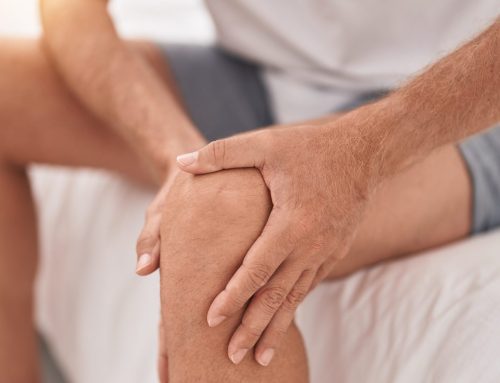
Struggling to lift a coffee cup, open a jar or carry your shopping without pain on the outside of your elbow? You may be dealing with tennis elbow.
Tennis elbow or lateral epicondylagia is a common condition affecting the tendons on the outside of the elbow. It often develops gradually following repetitive gripping activities such as gardening, carrying heavy objects, using tools, computer work, gym training or racquet sports.
What causes tennis elbow?
Tennis elbow involves irritation of the wrist extensor tendons. The tendon becomes overloaded when the demands placed on it exceeds its capacity to tolerate load.
Common contributing factors include:
- Repetitive gripping activities
- Sudden increase in activity levels
- Poor lifting mechanics
- Reduced upper limb strength
- High physical work demands
- Co-existing neck or shoulder problems
Why rest alone often doesn’t work?
One of the most common mistakes people make is avoiding all painful activities and waiting for the tendon to heal. Although temporarily reducing aggravating activities can help settle symptoms, prolonged rest can reduce tendon capacity and strength, making the tendon less able to tolerate everyday loads when activity resumes.
Successful rehabilitation involves finding the right balance between reducing excessive load and gradually rebuilding the tendon’s capacity.
What about cortisone injections?
Cortisone injections can provide rapid short-term pain relief, which is why they are often appealing. However, research has consistently shown that while cortisone injections may improve symptoms in the first few weeks, recurrence rates are high and long-term outcomes are often worse than exercise-based rehabilitation. A well-known study investigating treatment options for tennis elbow found that patients who received physiotherapy achieved better outcomes at 12 months than those who received corticosteroid injections. For this reason, current evidence supports exercise and load management as the most effective long-term treatment approach.
What does physiotherapy involve?
Effective rehabilitation extends well beyond simply strengthening the wrist. Research has shown that people with tennis elbow often present with reduced grip strength and weakness throughout the upper limb, therefore a physiotherapy program should address the entire kinetic chain.
Treatment may include:
- Education and load management: understanding which activities are aggravating symptoms and how to modify them is often the first step. Simple changes such as carrying shopping bags with the palm facing upwards, avoiding prolonged gripping with a bent wrist or modifying gym exercises can significantly reduce tendon load
- Progressive strengthening: rehabilitation often commences with isometrics before progressing to isotonic strengthening and then gripping or sport-based activities.
- Manual therapy: adjunctive treatments such as mobilisations, soft tissue massage and taping can help reduce symptoms and improve grip strength.
What affects recovery?
Recovery is rarely determined by the tendon alone.
Factors associated with slower recovery include:
- Higher levels of pain
- Neck or shoulder pain
- Work-related and psychosocial demands
- Large tendon tears
The bottom line
Tennis elbow can be stubborn, but the outlook is generally very good. While there is no quick fix, the strongest evidence supports a combination of education, activity modification and progressive strengthening to improve long term outcomes.
If you are struggling with persistent elbow pain, book an appointment with one of our physiotherapists. We will identify the factors contributing to your symptoms and create an individualised treatment plan to help you return to the activities you enjoy with confidence.